Β. Treatment and palliation of cancer
Cauterization And Cryotherapy (Radiofrequency Ablation, Microwave Ablation, Cryoablation, Irreversible Electroporation - Nanoknife)
These procedures use one or more fine needles under modern imaging guidance. Then, depending on the technique, these needles are connected to a generator (radiofrequency, microwave, cryotherapy, electrical pulses). The tumor is destroyed in just minutes. The procedure is applied to hepatic, renal, pulmonary, pancreatic and soft tissue tumors.
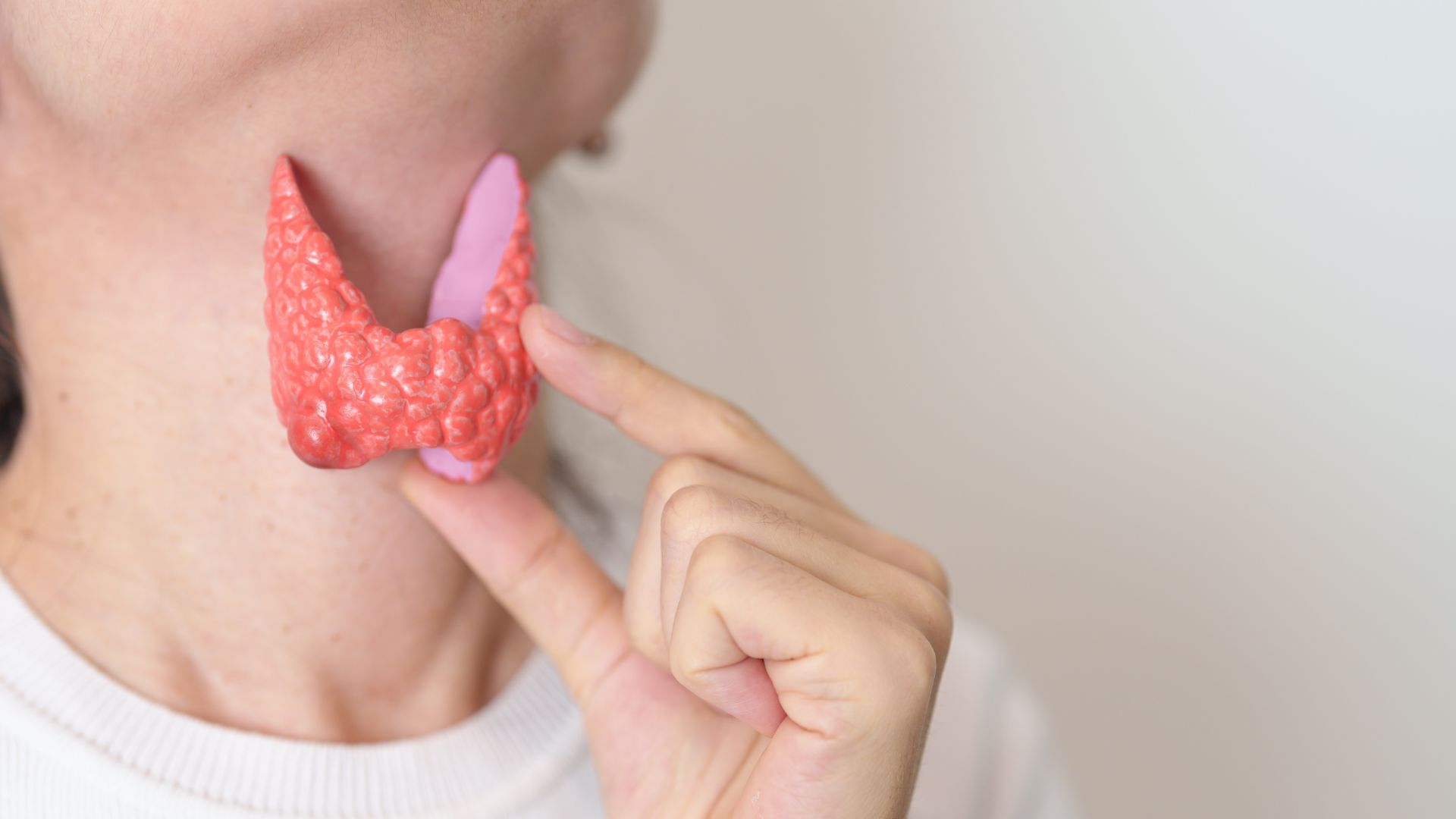
A new radiofrequency application that has been successful at Metropolitan Hospital is that of inoperable, recurrent thyroid gland cancer.
Embolizations And Chemoembolizations (Embolization, Dc Beads, Tace, Etc.)
Another method used to treat cancer is the delivery of drugs to the tumor via the vessels that supply it with blood and/or its occlusion to starve the tumor of its blood supply, for the purpose of shrinking the tumor and reducing accompanying complications, such as pain, bleeding, etc.
Embolization can also be applied preoperatively (neo-adjuvant embolization) for safer tumor resection.
Portal Vein Embolization
Embolization of the right or left portal vein branch is a procedure that induces regrowth on one side of the liver (future liver remnant) in order to increase the number of hepatectomy candidates and to reduce postoperative complications.
Fluid Drainage (Pleural, Ascites, Etc.)
Fluid in the abdominal area and chest is a common problem in patients. Therefore, diagnostic aspirations, and temporary or permanent drainages are performed using port catheters to treat recurrent fluid collections.
Pain Management Interventional Techniques
It is not uncommon for patients to present tumor-related pain. Using modern imaging guidance and twilight anesthesia, infiltrations and nerve blocks are performed with an almost immediate result.
Vertebroplasty (or kyphoplasty) is performed in spinal fractures, i.e. acrylic cement is injected into the fractured bone to manage the pain and to strengthen the bone.
Vascular Access And Feeding Tubes
Cancer treatment usually requires a number of vein punctures, either for drawing blood or for injecting chemotherapy drugs, blood and other agents, parenteral feeding, etc. Using imaging guidance, temporary central venous catheters, PICC lines, Hickman lines and port catheters are inserted quickly, painlessly and safely.
Percutaneous gastrostomy catheters are safety inserted in patients with tumors in the maxillofacial area, trachea and esophagus who suffer from inadequate oral intake, so that they can receive fluids, medication and food.
Nephrostomy And Ureteral Stenting
In the event of urinary stricture or obstruction, nephrostomy (urinary diversion), percutaneous ureteral stenting, nephroureteral stents, etc. are placed under ultrasonic guidance and fluoroscopy.
Management Of Biliary Duct Disorders
Percutaneous stents and internal/external drainage tubes are inserted in the case of biliary duct strictures or obstructions. In addition, the rendez-vouz-ERCP technique in usually used in collaboration with the gastroenterology team.
Vascular Stents
In the event of vascular stenosis – due to pressure or the infiltration of tumors or lymph nodes – stents may be inserted, e.g. in the case of superior vena cava syndrome, iliac vein or portal vein stenosis, etc.